Sports massage and physiotherapy are two treatments that sound similar but do very different things.
Getting the sports massage vs physiotherapy decision right matters, because booking the wrong service can potentially delay recovery.
At Active Health, our experienced professionals will always guide you towards what your body truly needs to improve performance and comfort.
But for your own peace of mind, here are the key differences between the two services.
What Sports Massage Does – By Experienced Glasgow Massage Experts
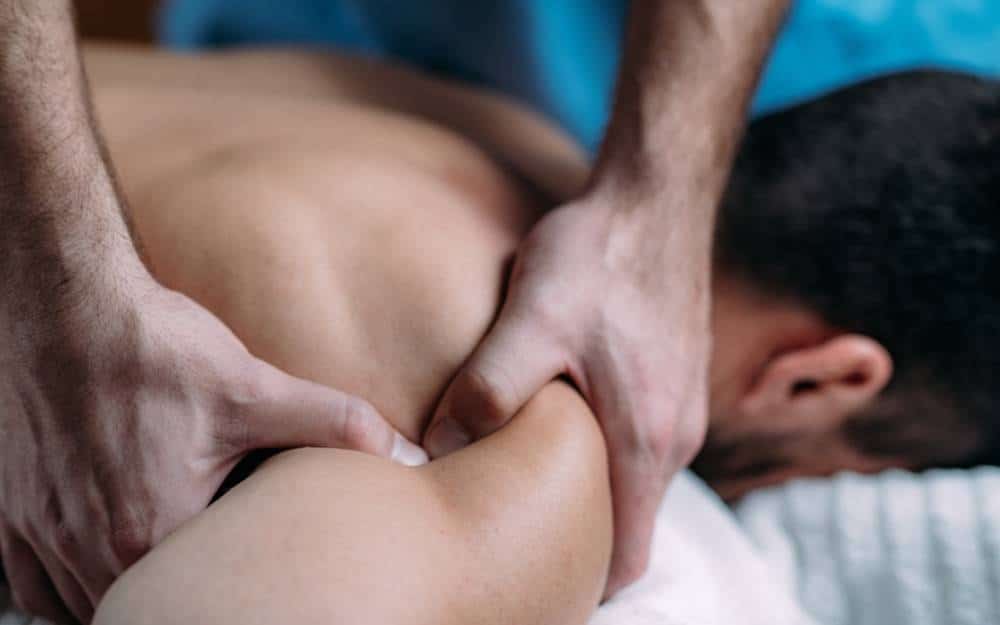
Sports massage works through manipulation of soft tissue: the muscles, fascia, connective tissue, and the layers of muscle running beneath the surface.
A session targets specific areas of the body where tension has built up, using massage techniques including effleurage, petrissage, and sustained deep tissue pressure to release adhesions and reduce muscle tension.
Sports massage uses hands-on therapy to reduce pain, improve circulation, and address the tension and pain that builds up from training or long hours sitting at a desk all day.
Tissue moves more freely afterwards, and range of motion often improves within a session or two.
It can even help alleviate discomfort in conditions such as sciatica.
Who Can Benefit from Sports Massage
The name suggests it’s only for athletes, but sports massage is used by athletes and desk workers alike.
Anyone carrying constant tension through the upper traps, neck, and lower back can benefit from sports massage, whether they’ve been training for a half-marathon or simply spending too much time in a chair.
Regular sessions help prevent future injuries.
For runners, gym-goers, and anyone who wants to prevent injuries from building up, regular sports massage supports performance and recovery between training and keeps muscles and soft tissues in good condition.
The cumulative effect on recovery and performance builds over time, which is why most therapists recommend regular sessions rather than booking only when something hurts.
Sports massage therapists work with muscles, fascia, and soft tissue directly.
If you want to use sports massage services for recovery and performance, postural tension, or general wellbeing, book a session and expect treatment to start straight away.
What Physiotherapy Does
Using the title “physiotherapist” without licensed registration is illegal in the UK. It is a healthcare profession regulated by the Health and Care Professions Council (HCPC).
Every chartered physiotherapist on the register has completed a degree covering anatomy, pathology, clinical reasoning, musculoskeletal conditions, and neurological disorders.
Aim of Physiotherapy
The primary goal of physiotherapy is to assess pain and dysfunction, identify the root cause, and treat it.
Physiotherapy aims to restore function and movement, and treatment combines hands-on sessions with exercise prescription because restoring movement patterns requires active work between clinic visits as well.
A physiotherapist looks at how you move, asks what aggravates the problem, considers your work and training background, and identifies which structures are involved before building a tailored treatment plan.
Hands on treatment in physiotherapy can include soft tissue manipulation, joint mobilisation, dry needling, and acupuncture, alongside therapy techniques you practice at home.
Physiotherapy treatment is evidence-based, and the plan your physiotherapist builds is written around your specific presentation.
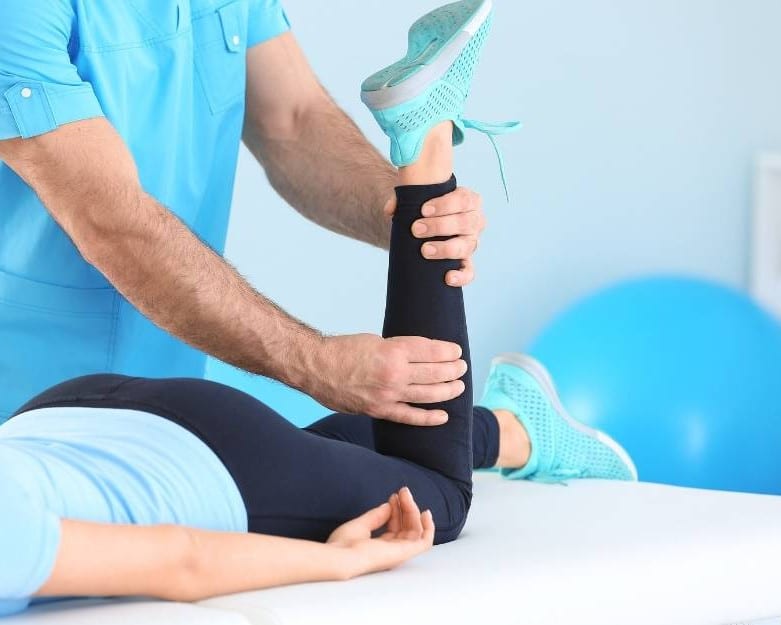
Scope of the Practice
The scope of physiotherapy is broader than sports massage.
Musculoskeletal conditions, sports injuries, post-operative cases, neurological disorders, and persistent chronic pain all fall within its remit.
If you’re working through post-operative rehabilitation after surgery, or managing a musculoskeletal problem with a neurological component, you need a chartered physiotherapist.
Physiotherapist and Sports Massage Therapist Qualifications
Both sports massage and physiotherapy sit within the broader field of manual therapy, but the training paths diverge significantly.
A chartered physiotherapist holds a degree-level qualification and must be HCPC-registered. Sports massage therapists typically train to level 3 or level 4 diploma level.
Advanced options include a diploma in advanced clinical sports therapy and advanced clinical sports therapy qualifications, which cover injury assessment and rehabilitation alongside soft tissue work.
When to Choose Sports Massage
If you’re training regularly and dealing with muscle tension from an active lifestyle, sports massage is often a fantastic option to begin with.
Regular sessions improve your physical performance and help you recover faster between training sessions.
Benefits from sports massage include reduced muscle tension, improved range of motion, better circulation, and regular maintenance of muscles and soft tissues.
Desk-based tension responds well too.
If your shoulders are constantly tight, your neck aches by the afternoon, and there’s no pain radiating into your arm and no weakness in your hand, a sports massage and deep tissue massage targets those areas directly, and you don’t need a full clinical assessment to get started.
Sports massage suits tension that has built up gradually and eases with treatment.
Pain that is constant and doesn’t settle with rest, any numbness or tingling into the arm or leg, or pain that came on after a specific incident should all be assessed by a physiotherapist first.
When to See a Physiotherapist for Injury Recovery
Choosing the right treatment from the start speeds up recovery and avoids weeks of trial and error.
Sports injuries are the clearest reason to see a physiotherapist.
Recovering from a muscle strain, a ligament sprain, or tendon pain that’s stopped you training needs a physiotherapy assessment to confirm the diagnosis and plan treatment and rehabilitation properly.
Getting the load progression wrong during injury recovery can delay your return to sport by weeks.
Back pain is another strong indicator, particularly recurring back pain.
Musculoskeletal back pain can have several different causes, and a physiotherapy assessment identifies which structure is involved.
If sports massage and rest haven’t shifted a back problem after a few weeks, physiotherapy gives you the clinical assessment you need.
Post-operative rehabilitation always needs a physiotherapist.
Movement after surgery needs to be carefully staged to match the surgical repair. We personalise your rehabilitation programme to match where you are in recovery, with your surgeon’s guidance as the reference point.
Can Physiotherapy and Sports Massage Work Together?
Physiotherapy and sports massage work well in combination.
At Active Health Clinic Glasgow, a physiotherapist might recommend sports massage between appointments to reduce tissue tension that’s limiting progress with joint mobilisation or movement exercises.
Massage therapy and physiotherapy used together is particularly useful when tissue tightness is slowing down joint work.
A sports massage therapist who finds something beyond soft tissue work refers to physiotherapy. We offer both services under one roof, so that handover is straightforward.
Our sports massage therapists and chartered physiotherapists work alongside each other, and your history stays with us.
If you want to benefit from sports massage alongside a rehabilitation programme, or if your physiotherapist has suggested adding massage therapy and physiotherapy in combination, we can arrange that in one place.
Book Your Sports Massage or Physiotherapy Assessment Today
To book a physiotherapy or sports massage appointment, you can book online or call us on 07427 737 604.
Book Your Appointment
Ready to take the next step? Book your appointment today or call us on 07427 737 604. We’re here to help with tailored, evidence-based care.