

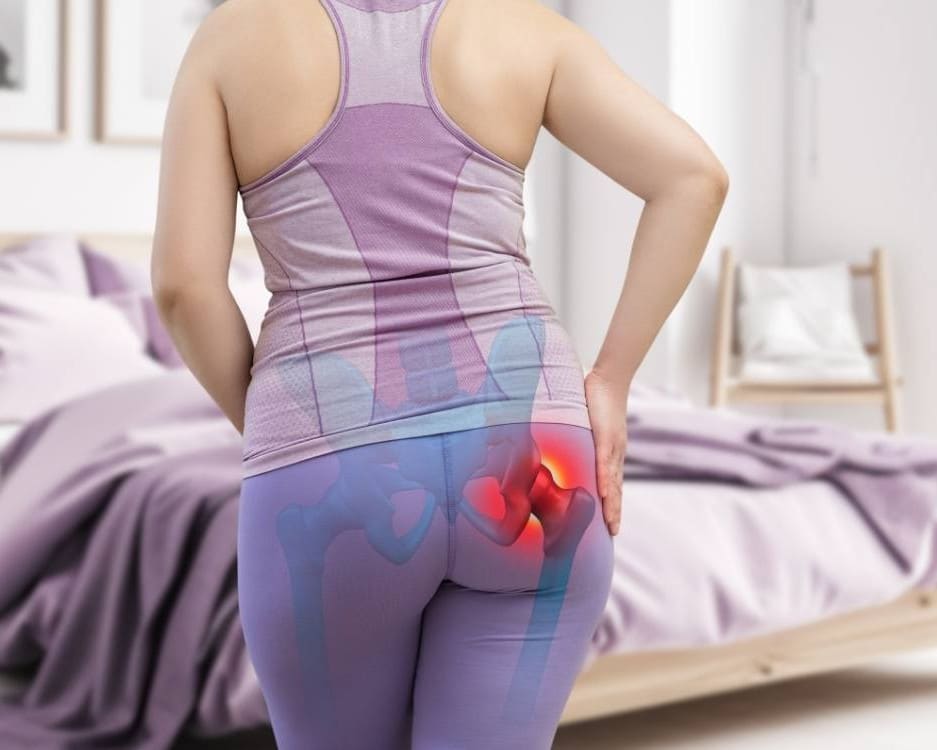


Hip Pain FAQ
What are common causes of hip pain?
Hip pain can arise from muscle strains, bursitis, tendonitis, hip arthritis, labral tears, hip impingement, overuse injuries, or referred pain from the lower back and pelvis.
How can physiotherapy help with hip pain?
Physiotherapy helps by assessing movement patterns, improving hip joint mobility, strengthening surrounding muscles, reducing pain through manual therapy and exercise, and restoring functional movement.
Do I need a referral to see a physiotherapist for hip pain?
No — you can book directly with Active Health Clinic Glasgow for a thorough assessment and personalised treatment plan.
What happens duringmy first physiotherapy session?
Your therapist will take a detailed history, assess your movement and posture, identify pain triggers, and begin tailored treatment which may include manual therapy and specific exercises.
How many sessions will I need?
The number of sessions depends on the cause and severity of your hip pain. Acute issues may improve after a few sessions, while long‑standing or complex conditions may require a longer course.
Will physiotherapy be painful?
Treatments are adjusted to your comfort. You may feel some mild, temporary soreness during exercises or manual techniques, but the goal is to reduce your overall pain and improve function.
Can physiotherapy prevent future hip pain?
Yes. Physiotherapy includes strength training, flexibility work, movement education, and advice on activity modification to help prevent recurrence.
When should I seek physiotherapy for hip pain?
If your hip pain is persistent, worsening, limits daily activities (walking, climbing stairs, sitting), or doesn’t improve with rest and self‑care, it’s a good idea to seek professional physiotherapy.
Book Your Appointment
Ready to take the next step? Book your appointment today or call us on 07427 737 604. We’re here to help with tailored, evidence-based care.