

Knee Pain FAQ
What are common causes of knee pain?
Knee pain can result from arthritis and age‑related joint changes, sports injuries like ligament sprains or meniscus tears, tendonitis or bursitis, muscle imbalances, overuse from activities like running or squatting, and previous injuries that haven’t fully healed. Active Health Clinic Glasgow
How can physiotherapy help with knee pain?
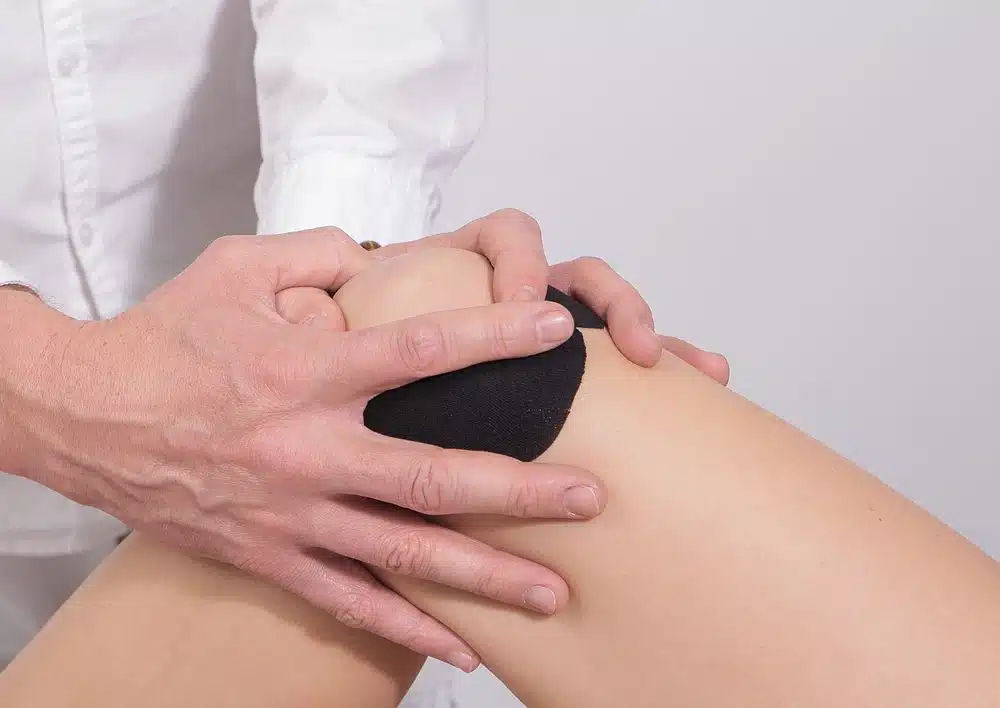
Physiotherapy focuses on identifying the root cause of your pain and creating a personalised treatment plan that may include hands‑on pain relief, mobility improvements, strengthening and stability exercises, safe activity guidance, and movement pattern correction. Active Health Clinic Glasgow
Do I need a referral to see a physiotherapist for knee pain?
No referral is needed — you can book directly with Active Health Clinic Glasgow for assessment, diagnosis, and treatment. Active Health Clinic Glasgow
How many sessions will I need?
The number of sessions varies depending on your condition’s severity and cause. Acute issues may improve in a few visits, while chronic or complex knee problems could require a longer course of treatment.
Will physiotherapy be painful?
Treatment is tailored to your comfort level. Some techniques or exercises may cause mild, temporary discomfort as muscles and joints adapt and strengthen, but the goal is always to reduce pain overall. Active Health Clinic Glasgow
Can physiotherapy prevent future knee problems?
Yes. Physiotherapy includes strengthening and stability exercises, movement and posture correction, and activity advice to help protect your knees and reduce the risk of future injury. Active Health Clinic Glasgow
When should I seek professional physiotherapy for knee pain?
If your knee pain is acute and lasting more than a few days or weeks, if it’s swollen, stiff, unstable, limits walking, bending, or climbing stairs, or if it’s not improving with rest and self‑care, it’s a good idea to seek professional help. Active Health Clinic Glasgow
Book Your Appointment
Ready to take the next step? Book your appointment today or call us on 07427 737 604. We’re here to help with tailored, evidence-based care.