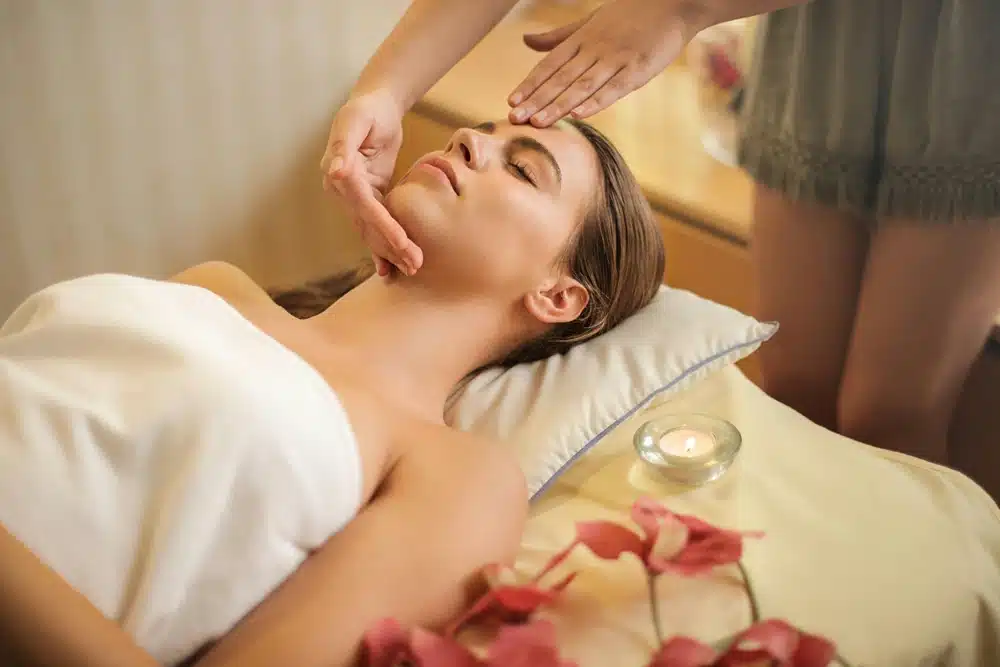
The word “toxin” turns up a lot in massage therapy content, and what it refers to is more specific than the term implies.
Massage stimulates circulation and the lymphatic system.
Circulation and lymph together carry waste products like lactic acid and cellular byproducts from your muscles into the bloodstream, where your kidneys filter and excrete them.
These aren’t toxins in the sense of poisons or harmful chemicals, they’re just the ordinary by-products of your muscles working, the same way carbon dioxide is a by-product of breathing.
However, helping your body to release these byproducts can help aid recovery, alleviate pain, and leave you feeling looser and more comfortable afterwards.
What byproducts are released after a massage? – By Glasgow massage experts
The main substance that gets talked about is lactic acid.
Muscles produce lactic acid as a byproduct of anaerobic activity, and when tight muscles are compressed during massage, waste like lactic acid and other metabolic waste products get pushed out of the tissue and into the bloodstream.
Alongside lactic acid, soft tissue massage releases other cellular waste products from muscle fibres: carbon dioxide, uric acid, and various metabolic byproducts that accumulate over time, particularly in people who carry chronic tension or train hard.
These substances, like lactic acid, are natural byproducts of metabolism rather than foreign toxins introduced from outside.
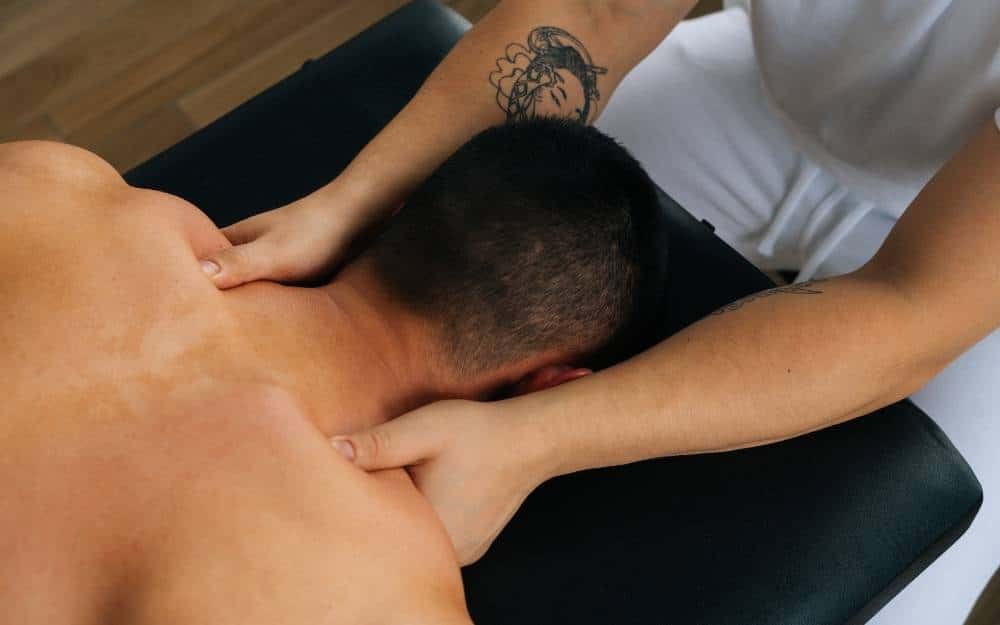
Toxins get released when deep pressure is applied to tight muscles because the mechanical force physically squeezes these waste products out of the tissue.
A massage therapist applying sustained pressure to a knotted area is essentially wringing out the muscle the way squeezing a sponge releases whatever it was holding.
How your body removes these byproducts after massage
Blood and lymph work together to carry cellular waste away from muscle tissue, and substances like lactic acid released into the bloodstream clear much faster after massage than through rest alone.
Circulatory system
Once waste products are released into the bloodstream, the circulatory system and lymphatic system take over.
Massage boosts circulation and lymphatic flow.
Blood flow to the muscles improves after each session, and the kidneys and liver receive these byproducts more quickly for filtration and excretion.
Lymphatic system
The lymphatic system is less talked about but equally important.
Unlike blood circulation, it has no pump and relies on movement and external pressure to keep lymph flowing.
Massage stimulates the lymphatic system, and each session improves lymph flow and lymphatic drainage throughout the body.
Lymphatic massage is built specifically around this principle. The strokes are designed to move lymph through the nodes and toward the organs that process it.
Why you might feel tired or worse after your massage
Some people feel tired after a massage, and those who have just had deep tissue work done sometimes feel noticeably worse before they feel better.
When a large volume of metabolic waste products gets flushed into circulation faster than the kidneys can clear it, the body needs time to catch up, and that is when post-massage fatigue sets in.
The nervous system also shifts into a more parasympathetic (rest-and-digest) state during massage and briefly stays there afterwards.
The parasympathetic shift produces the drowsy feeling that follows the session.
Feeling worse for 24 to 48 hours before feeling better is common after a deep tissue session, much like the delayed soreness you would feel after a heavy training session.
Does deep tissue massage release more toxins than Swedish?
A deep tissue massage involves more tissue disruption and cellular waste release per session than a lighter Swedish massage, because sustained pressure reaches deeper muscle layers.
People who train hard, carry significant muscle tension, or even are experiencing sciatica can notice a more pronounced reaction the next day.
Sports massage sits between the two depending on technique.
A therapist working on tight muscles before an event uses different massage techniques to a recovery session after heavy training, and the depth of pressure applied determines how much metabolic waste gets mobilised.
Waste products like lactic acid accumulate more in fatigued muscles, so sports massage after a heavy block often produces the most noticeable release.
Swedish massage is often used for relaxation and stress relief, and its lighter approach improves circulation while keeping the cellular release gentler.
Regular massage at this intensity builds benefits over time without the recovery period a deep tissue session requires.
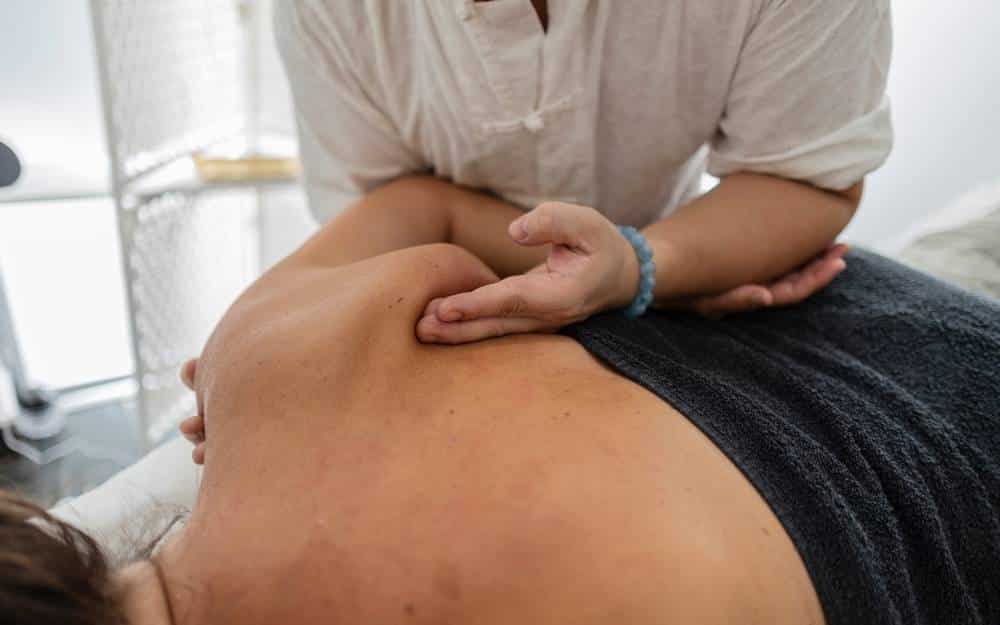
Why drinking plenty of water after a massage matters
Once massage releases these byproducts into the bloodstream, your kidneys need adequate fluid to filter them efficiently.
Drinking plenty of water after a massage has a clear physiological basis: dehydrated kidneys process waste more slowly and toxins from the body linger in circulation longer than they should.
Drink more water than usual in the 24 hours after a session, particularly after deep tissue work or sports massage.
Without enough water, soreness and fatigue tend to last longer, and the first few hours can feel more sluggish than they need to.
Frequently asked questions
How long does it take for toxins to leave the body after massage?
Most of what massage releases into the bloodstream processes within 24 to 72 hours, depending on hydration, activity level, and how deep the massage was. Drinking plenty of water speeds this up considerably.
Why do knots pop when massaged?
The sensation is usually gas releasing from joints near the area, or the fascia around a muscle knot shifting as pressure is applied. Muscle knots are contracted areas of muscle fibre with poor local circulation and accumulated cellular waste. Working on them mobilises the metabolic byproducts held there. Mobilising those byproducts is why the area often stays tender for a day or two while circulation carries the waste away. Massage can help resolve knots more quickly than rest alone for exactly this reason.
What happens when you don’t drink water after a massage?
Without plenty of water, your kidneys have less fluid for filtering the metabolic byproducts released into the bloodstream. Fatigue, mild headaches, or muscle soreness after a massage may be more pronounced and last longer. Good hydration after a session helps your body remove toxins and get the full benefits of massage.
Looking to book a massage? Contact Active Health Clinic today
Understanding what happens in your body after a massage makes the process feel less mysterious, and helps you get more out of it.
Staying hydrated, expecting some tiredness after deeper work, and giving your body a day or two to fully process the release are all part of a normal, healthy response.
Every client’s needs are different.
And at Active Health Clinic, we always take the time to understand your goals and your body’s needs to find the treatment, pressure, technique, and frequency to suit you.
With a range of services available such as shockwave therapy, sports massage, and physiotherapy, we are sure to help restore function and relief to your body.
For advice on the right type of massage therapy for your goals, book a session at Active Health Clinic Glasgow and talk it through with your therapist. Or call us on 07427 737 604 if you’d like to speak to someone first.
Book Your Appointment
Ready to take the next step? Book your appointment today or call us on 07427 737 604. We’re here to help with tailored, evidence-based care.